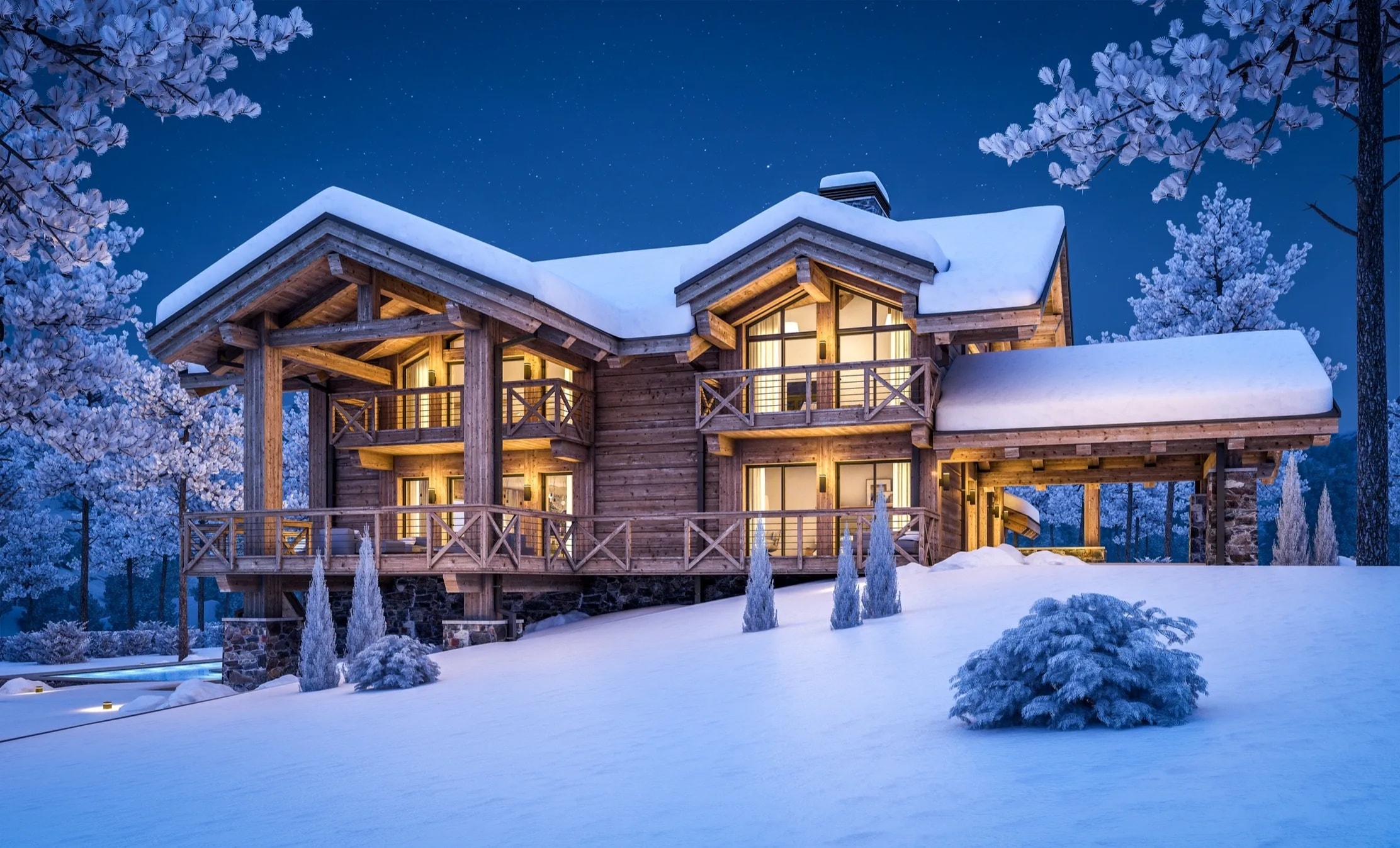
Owning a Second Home in Blowing Rock, NC: What Every Buyer Should Know
Blowing Rock is one of the most sought-after second-home destinations in the Southeast. Here is what you need to know about owning and protecting a vacation property in this iconic Blue Ridge village.

Perched at 3,500 feet on the Blue Ridge Escarpment, Blowing Rock is one of the most beloved small towns in the American Southeast. Its combination of cool summers, stunning views, walkable Main Street, and proximity to the Blue Ridge Parkway has made it a perennial favorite for second-home buyers from Charlotte, Raleigh, Atlanta, and beyond.
If you own or are considering buying a vacation home in Blowing Rock, this guide covers what you need to know — from the seasonal rhythms of the community to the specific property care challenges that come with mountain ownership at elevation.
Why Blowing Rock Attracts Second-Home Buyers
Blowing Rock's appeal is easy to understand. Summer temperatures average in the low 70s — a dramatic contrast to the heat and humidity of the Piedmont and coastal Southeast. The town itself is compact and walkable, with independent restaurants, galleries, and boutiques that have resisted the chain-store homogenization of so many resort communities.
The Blue Ridge Parkway runs just outside of town, offering world-class hiking, cycling, and scenic drives. Moses Cone Memorial Park and Julian Price Memorial Park are both within minutes. Grandfather Mountain, one of the most iconic peaks in the Appalachians, is a short drive away.
For families, the proximity to Appalachian Ski Mountain (less than 10 minutes) and Sugar Mountain and Beech Mountain (30 to 40 minutes) makes Blowing Rock a four-season destination rather than a purely summer retreat.
Real estate in Blowing Rock reflects this demand. The market is competitive, inventory is limited, and properties hold their value well. Many buyers who purchase here intend to hold for decades, eventually transitioning the property into a retirement home.
The Seasonal Reality of Blowing Rock Property Ownership
Owning a second home in Blowing Rock means managing a property through four distinct seasons, each with its own demands.
Summer (June–August)
Summer is peak season. The town fills with visitors, rental demand is high, and the property itself requires relatively little intervention beyond routine maintenance. This is the time to address any deferred repairs, have your HVAC serviced, and ensure gutters and drainage are clear before fall.
Fall (September–November)
Fall foliage season brings another wave of visitors and some of the most spectacular scenery in the eastern United States. It is also the time to prepare your property for winter. Leaf accumulation on roofs and in gutters is significant at elevation — clogged gutters can cause ice dams and water intrusion once temperatures drop.
Key fall tasks:
- Gutter cleaning and inspection
- Chimney inspection and cleaning if you have a wood-burning fireplace
- HVAC service and filter replacement
- Checking weatherstripping and door/window seals
- Confirming propane or heating oil levels and delivery schedules
- Inspecting the roof for any damage from summer storms
Winter (December–March)
Winter is when Blowing Rock's elevation becomes a serious consideration for property owners. The town sits at the edge of the Blue Ridge Escarpment, which means it catches moisture from both the west and the east. Ice storms are common. Snow accumulation can be significant. And temperatures regularly drop below 20°F, sometimes well below zero during polar vortex events.
For vacant second homes, winter is the highest-risk season. Frozen pipes, ice dam damage, and heating system failures are the most common causes of major property damage. A property that sits unmonitored through a hard freeze can sustain tens of thousands of dollars in damage before anyone notices.
Spring (April–May)
Spring brings snowmelt, rain, and the need for a thorough post-winter inspection. This is the time to check for any damage that occurred during the winter — roof issues, moisture intrusion, foundation concerns, and pest activity that may have begun during the warmer spells of late winter.
Property Care Challenges Specific to Blowing Rock
Beyond the seasonal rhythms, Blowing Rock properties face some specific challenges that owners should understand.
Elevation and exposure. At 3,500 feet, Blowing Rock properties are exposed to wind, ice, and precipitation that lower-elevation properties simply do not experience. Roofs, siding, and decks take more punishment here than they would in Charlotte or Raleigh.
Older housing stock. Much of Blowing Rock's residential inventory was built in the 1960s through 1980s. Older homes often have plumbing that runs through uninsulated crawl spaces, aging HVAC systems, and roofs that are approaching the end of their service life. Buyers of older properties should budget for significant deferred maintenance.
Wildlife. Black bears, raccoons, and squirrels are active throughout the area. Unsecured trash, bird feeders, and pet food left outside can attract bears. Squirrels and mice can enter homes through surprisingly small gaps and cause significant damage to insulation, wiring, and stored items.
Septic systems. Many Blowing Rock properties are on septic rather than municipal sewer. Septic systems require regular pumping and inspection, and they can fail in ways that are not immediately obvious — particularly in a vacant home where no one is flushing toilets or running water regularly.
Steep driveways. Many mountain properties have steep, winding driveways that can become impassable during ice events. This is worth considering both for your own access and for emergency responder access.
The Case for Professional Home Watch in Blowing Rock
Given the seasonal risks and the specific challenges of mountain property ownership, professional home watch is not a luxury for Blowing Rock second-home owners — it is a practical necessity.
A professional home watch service visits your property on a regular schedule, conducts a systematic inspection of interior and exterior conditions, and provides you with a written report after every visit. If something is wrong — a heating system failure, a slow leak, storm damage, a wildlife intrusion — you find out immediately rather than when you arrive for your next visit.
At High Country Home Watch, we serve second-home owners throughout Blowing Rock and the surrounding High Country. Our visits include:
- Interior inspection of all rooms, including under sinks and in utility areas
- HVAC operation verification and temperature check
- Exterior inspection for storm damage, roof issues, and drainage concerns
- Security check — doors, windows, and any signs of unauthorized entry
- Pest and wildlife activity check
- Written report with photos after every visit
- Immediate notification and vendor coordination if any issue is found
Getting Started
Whether you are a long-time Blowing Rock property owner or you just closed on your first mountain home, we would be glad to discuss what a home watch plan would look like for your specific property.
Contact us to schedule a free consultation. We will walk through your property's specific risks and design a monitoring schedule that gives you genuine peace of mind — no matter where you are when the next ice storm rolls through.
High Country Home Watch serves second-home owners in Blowing Rock, Boone, Banner Elk, Beech Mountain, Sugar Mountain, Linville, Seven Devils, Valle Crucis, and throughout the NC High Country.
Explore Topics
Written by
High Country Home Watch
Content creator and writer sharing insights and stories.